How Artificial Intelligence Is Quietly Reshaping Everyday Life
Artificial intelligence often sounds like a distant idea, something tied to futuristic robots or research labs. In reality, it has already become part of ordinary life in ways many people barely notice. It works in the background, shaping choices, speeding up services, and personalizing the way we move through the day. The reason it feels invisible is simple: the most successful technologies often disappear into routine. They become useful before they become dramatic.
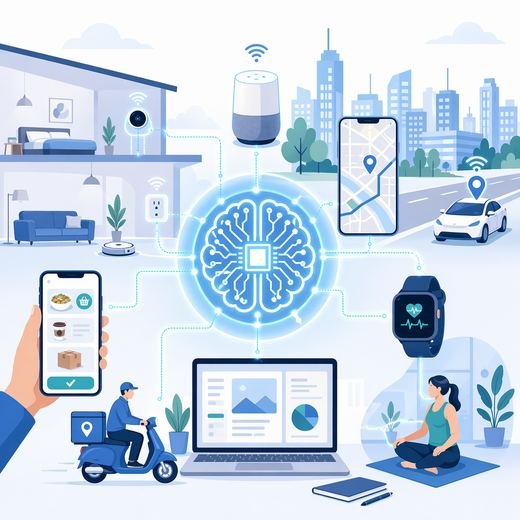
A person can wake up in the morning and interact with artificial intelligence several times before breakfast. A phone alarm may adjust to traffic conditions. A streaming app recommends music that fits the mood. A map suggests the fastest route to work by learning from road patterns. Even a simple email inbox may sort urgent messages from spam using systems trained to identify behavior and language. None of this looks theatrical, but it saves time and mental effort.
Shopping is another area where artificial intelligence has changed expectations. Online stores now suggest products based on browsing patterns, previous purchases, and similar customer behavior. This can feel convenient when the recommendations are accurate, but it also changes how decisions are shaped. People are no longer only searching for products. Increasingly, products are finding them first. That small shift matters because it changes how attention is guided in digital spaces.
At home, smart devices have made AI even more personal. Voice assistants answer questions, control lights, play music, and manage reminders. Security cameras can distinguish between a person, a pet, and a passing car. Thermostats learn routines and adjust energy use automatically. These features may seem minor on their own, yet together they show how AI is moving from a specialized tool into a practical household layer.
Healthcare has also been touched by this quiet transformation. Many people now use wearable devices that track sleep, steps, heart rate, and stress patterns. Behind those neat charts and alerts are algorithms looking for trends. They do not replace doctors, but they help people notice habits and changes earlier than they might otherwise. In that way, AI often works less like a dramatic replacement and more like an extra set of attentive eyes.
There are, of course, concerns that should not be ignored. The more artificial intelligence shapes daily life, the more questions arise about privacy, data collection, bias, and dependency. Convenience can make people overlook how much personal information is being gathered to make systems feel smooth and responsive. A recommendation that feels helpful is still built on observation. That trade-off deserves honest attention.
Still, the most striking thing about artificial intelligence today is not how loud it is, but how normal it has become. It is woven into phones, homes, transport, shopping, work, and entertainment so naturally that many people stop noticing it altogether. That may be the clearest sign of how powerful it has become. AI is not waiting for the future to arrive. It is already present in the unnoticed details of everyday life, quietly changing how modern living feels.