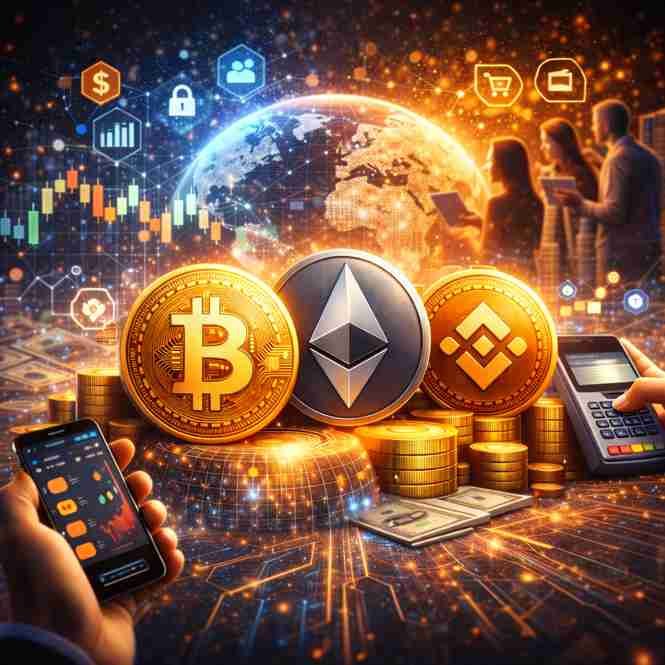
Bitcoin Beyond the Hype: Why It Still Matters
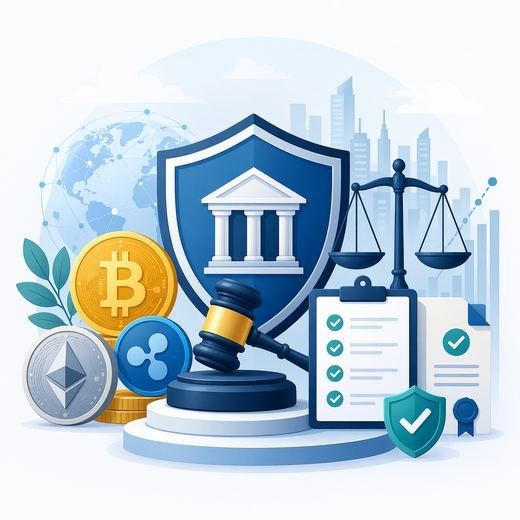
Bitcoin is often reduced to headlines about price swings, wealthy early adopters, or dramatic predictions. Those stories attract attention, but they can also hide the reason Bitcoin still matters after all these years. Its real importance is not just that it became famous or valuable. It is that Bitcoin introduced a new way to think about money in a digital world.
At its core, Bitcoin is a decentralized network that allows people to send value directly without depending on a central authority to issue or approve each transaction. That was a radical idea when it appeared, and it still is. Before Bitcoin, digital payments usually required a bank, card company, or payment processor to stand in the middle. Bitcoin suggested that secure digital value could move across the internet in a different way.
One reason people continue to care about Bitcoin is scarcity. Only a limited number of bitcoins can ever exist. That design created a strong contrast with traditional currencies, which can be expanded by monetary policy. For supporters, this limited supply gives Bitcoin a unique identity. It is often described as digital gold because people see it as a store of value that cannot be created endlessly.
Bitcoin also matters because it changed financial access. Anyone with an internet connection can learn about it, hold it, or send it, even if they do not have the same banking options available in more developed financial systems. In places where inflation is severe or local currency is unstable, that idea feels more practical than theoretical. Bitcoin may still be volatile, but for some people it represents an alternative when confidence in traditional money is weak.
Of course, Bitcoin is not perfect. Transactions can be slower and more expensive during busy periods. The user experience can still feel intimidating for beginners. Security requires responsibility, and losing access to a wallet can mean losing funds permanently. Critics also question its environmental impact, its use in speculation, and whether it can truly function as everyday money at scale. These are serious questions, not side notes.
Even so, Bitcoin remains important because it proved something that many once thought impossible. It showed that a decentralized digital asset could survive, grow, and influence global finance. It forced regulators, banks, investors, and technologists to pay attention. It also inspired thousands of other blockchain projects, whether or not they matched its long-term relevance.
Perhaps the most interesting thing about Bitcoin is that people continue to debate what it really is. Is it a payment network, a store of value, a political statement, a technological breakthrough, or a speculative asset? The answer depends on who is asking. That flexibility is part of why it stays central to crypto conversations. Different groups see different possibilities in it.
Bitcoin matters because it shifted the conversation about trust and money. It asked whether people could rely on code, consensus, and mathematics rather than a single institution. Whether someone loves it or doubts it, Bitcoin is no longer easy to dismiss. It became a lasting part of the modern financial conversation, and that alone makes it more than hype.