AI Autofocus and the End of the Almost-Great Shot
A camera used to be judged mainly by the glass in front and the film or sensor behind it. Today, the story is more complicated. Software, processing, recognition, and workflow now shape the final image just as strongly as traditional optics. Ai autofocus belongs to this new world, where photography is still about light, but no longer only about light.
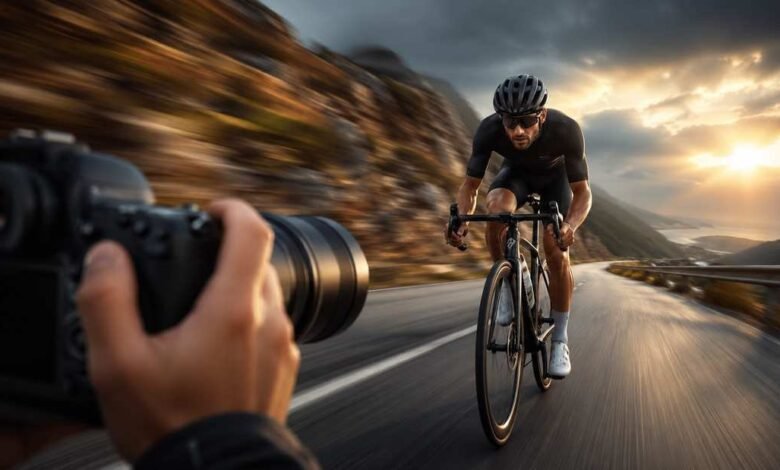
In practical terms, AI autofocus is focus systems trained to recognize subjects such as eyes, faces, animals, vehicles, and moving bodies. The important point is not that the camera has become clever for its own sake. The important point is that the tool has started to understand more of the situation. It can read light faster, follow motion better, carry extra image information, or make editing less punishing. That changes the way people shoot because it changes what they dare to attempt.
A simple scene explains the difference: a child running toward the camera while the lens keeps the eyes sharp instead of locking onto the background. A few years ago, that situation might have produced a blurred, noisy, flat, or badly exposed image unless the photographer worked very carefully. Now the technology gives the user a better starting point. The real benefit is photographers can concentrate on expression, framing, and timing instead of wrestling with focus points. For professionals, that can mean fewer missed deliveries. For hobbyists, it can mean the confidence to keep shooting in conditions that once felt impossible.
For working creators, the biggest change may be mental. When the tool becomes more reliable, the photographer can spend less energy worrying and more energy directing, listening, waiting, or experimenting. That does not make the work effortless. It changes where the effort goes. The pressure moves away from technical survival and toward taste, judgment, and responsibility.
The caution is important: automation can fail in unusual light, crowded scenes, reflections, or subjects it was not trained to understand. Every new camera feature can become a crutch if it is used without thought. It is easy to let automation make the image cleaner while the idea becomes weaker. The better approach is to treat the technology as assistance, not authority. It can suggest, correct, stabilize, or enhance, but it should not replace intention.
A good photographer does not need to reject technology to stay authentic. The better discipline is to use it deliberately. Learn when to override subject detection and use a smaller focus area manually. If a feature makes you more attentive, keep it. If it makes every photo look the same, question it. The camera should widen your choices, not quietly narrow them.
Looking ahead, autofocus will become less about finding contrast and more about understanding intention. That future will probably be both exciting and uncomfortable. Cameras will solve more problems automatically, while audiences will ask harder questions about what is real, what is edited, and what is generated. The photographers who thrive will be the ones who understand the tools without worshipping them. They will use technology to get closer to the subject, not farther away from it.