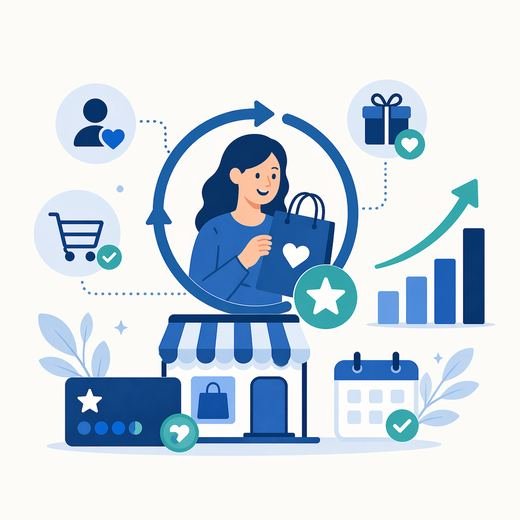
How to Reduce Cart Abandonment Without Sounding Pushy
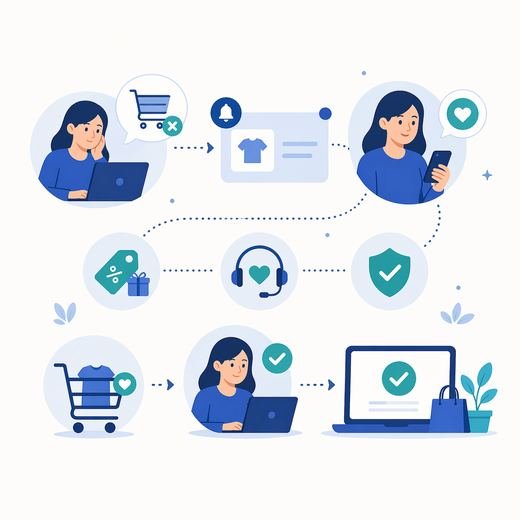
Abandoned carts frustrate almost every online seller, but they are not always signs of rejection. Often they reveal friction, distraction, or unanswered questions that can be addressed thoughtfully. Seen this way, the issue is not only operational. It directly affects how safe and understood the customer feels while moving through the buying journey.
Cart abandonment is common in e-commerce, but not every abandoned cart reflects a lost customer. Sometimes it signals hesitation, distraction, or a question left unanswered. Because the screen creates distance, shoppers look for replacement signals before they commit. They watch for clarity, professionalism, and signs that the store understands what matters from the buyer’s side rather than only from the seller’s side. That is why first impressions matter so heavily in digital commerce.
The first response should be diagnosis, not pressure. Unexpected fees, mandatory account creation, weak delivery options, and complex checkout flows often cause abandonment before price does. That is why presentation and process matter so much. In online retail, confidence is often built through structure: what is explained, what is visible, and how consistently the business behaves across the page and after the click. The customer rarely separates design quality from business quality.
Fixing those barriers usually works better than sending endless reminders. Shoppers are more likely to return when the path feels easier, not when the brand feels desperate. This may not feel dramatic compared with major campaigns or platform changes, but these quieter elements often decide whether interest grows or disappears. They reduce friction in ways customers may not consciously describe, yet strongly respond to. Even when shoppers do not say this out loud, their behavior reflects it.
Recovery messages can still help if they are respectful. A reminder email, clear product image, short value statement, and helpful support option often outperform aggressive discount language. When this part is handled well, buyers feel guided instead of pressured. They can move forward with less effort because the store has already done some of the work of answering doubt. Confidence tends to rise when the path ahead feels obvious.
Trust signals also matter near checkout. Security cues, return clarity, delivery estimates, and visible payment choices reduce the anxiety that appears right before commitment. Over time, these choices influence more than single conversions. They shape how people talk about the store, whether they return, and how much future marketing effort is needed to earn attention again. The result is better economics as well as better customer memory.
The goal is not to force a conversion. It is to remove the reasons a willing buyer paused in the first place. That is both more effective and more sustainable. In a category where many options can look similar at first glance, thoughtful execution becomes a form of differentiation. It turns a functional store into a more dependable one. And in crowded markets, memory is a powerful commercial asset.
Reducing abandonment is less about chasing people and more about removing the reasons they paused. Respectful optimization usually performs better than pressure. That point becomes even stronger when we remember how quickly people compare options online and how little patience they usually have for uncertainty.