The Hidden Value of a Simple Checkout Experience
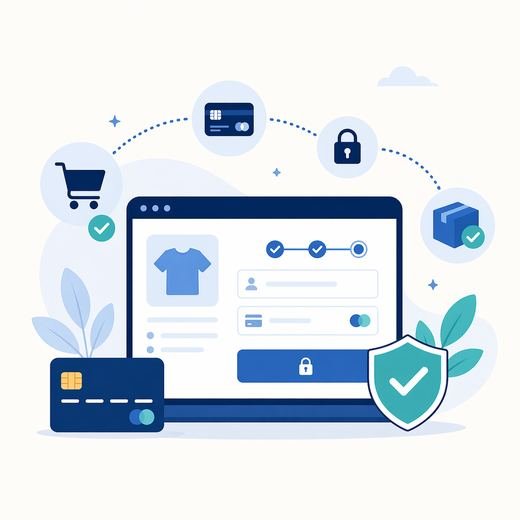
Many e-commerce teams spend huge energy attracting visitors and improving product pages, then lose sales in the final stretch because checkout feels harder than it should. Seen this way, the issue is not only operational. It directly affects how safe and understood the customer feels while moving through the buying journey.
Checkout is one of the shortest parts of the e-commerce journey, yet it carries a disproportionate impact on conversion and customer satisfaction. Because the screen creates distance, shoppers look for replacement signals before they commit. They watch for clarity, professionalism, and signs that the store understands what matters from the buyer’s side rather than only from the seller’s side. That is why first impressions matter so heavily in digital commerce.
A complicated checkout creates friction at the exact moment when the shopper is trying to move from decision to commitment. Even small obstacles feel bigger there. That is why presentation and process matter so much. In online retail, confidence is often built through structure: what is explained, what is visible, and how consistently the business behaves across the page and after the click. The customer rarely separates design quality from business quality.
Simple checkout design is not about looking minimal for its own sake. It is about reducing unnecessary thinking, typing, waiting, and uncertainty. This may not feel dramatic compared with major campaigns or platform changes, but these quieter elements often decide whether interest grows or disappears. They reduce friction in ways customers may not consciously describe, yet strongly respond to. Even when shoppers do not say this out loud, their behavior reflects it.
That means fewer form fields, visible costs, clear progress, flexible payment options, and a structure that works smoothly on both desktop and mobile devices. When this part is handled well, buyers feel guided instead of pressured. They can move forward with less effort because the store has already done some of the work of answering doubt. Confidence tends to rise when the path ahead feels obvious.
Guest checkout remains especially important. Many customers are willing to buy, but not willing to create an account before they trust the store or see the product in person. Over time, these choices influence more than single conversions. They shape how people talk about the store, whether they return, and how much future marketing effort is needed to earn attention again. The result is better economics as well as better customer memory.
When checkout feels easy, the brand feels competent. That final impression matters, because people often remember the buying process just as strongly as the product they ordered. In a category where many options can look similar at first glance, thoughtful execution becomes a form of differentiation. It turns a functional store into a more dependable one. And in crowded markets, memory is a powerful commercial asset.
An easy checkout does more than lift conversions. It leaves customers with a final feeling of confidence, which is one of the most useful outcomes any e-commerce business can create. That point becomes even stronger when we remember how quickly people compare options online and how little patience they usually have for uncertainty.