The Ethics of Artificial Intelligence: Progress Without Losing Our Values
Artificial intelligence is often discussed in terms of speed, innovation, and possibility. It can analyze data at enormous scale, automate tasks, and generate outputs that once required significant human labor. But as AI becomes more powerful, a deeper question becomes impossible to ignore: just because we can build something, does that mean we should use it in every possible way? This is where ethics enters the conversation.
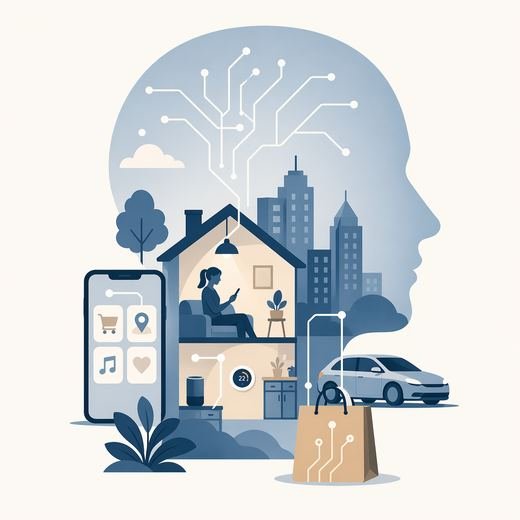
Ethics in AI is not a side issue for academics or policy experts. It affects everyday people. It shapes who gets hired, who receives a loan, what information appears online, how people are monitored, and how decisions are made in healthcare, education, and law enforcement. AI systems do not exist in isolation. They operate within societies that already contain inequality, bias, and power imbalances. That means the choices made by designers, companies, and governments have real human consequences.
One major ethical concern is bias. AI systems learn from data, and data often reflects past human behavior. If past decisions were unfair, biased, or incomplete, then the system can inherit those same problems. A hiring tool may favor certain applicants. A facial recognition system may perform better on some groups than others. A recommendation system may quietly reinforce stereotypes. The danger is not only that AI can make bad decisions. It is that those decisions can appear objective simply because they come from a machine.
Transparency is another challenge. Many AI systems are difficult for ordinary users to understand, and sometimes even experts struggle to explain exactly why a model produced a certain outcome. That becomes a serious issue when people are affected by important decisions. If someone is denied a service, flagged as risky, or judged by an algorithm, they deserve clarity. Systems that influence human lives should not operate like sealed black boxes.
Privacy also sits at the center of the ethical debate. AI becomes more useful when it has more data, but people do not want to live in a world where every click, movement, or conversation is monitored in the name of convenience. There must be limits. Consent, control, and data protection are not obstacles to progress. They are part of responsible progress.
Another ethical issue involves accountability. When an AI system causes harm, who is responsible? Is it the developer, the company, the manager who deployed it, or the institution that trusted it too much? These questions matter because technology can diffuse responsibility if no one is willing to own the outcome. Ethical AI requires clear lines of responsibility and strong oversight, especially in high-stakes environments.
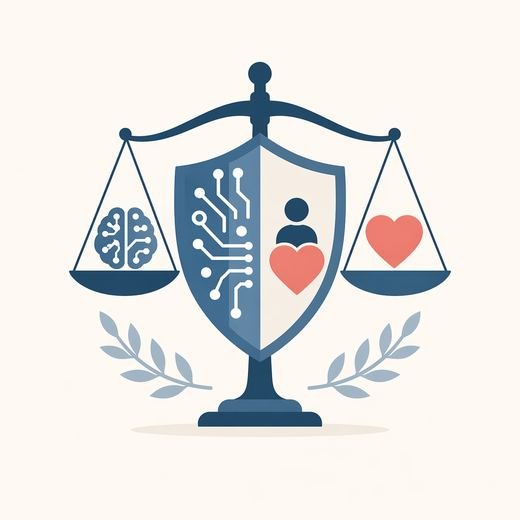
There is also the broader question of human dignity. Not every task that can be automated should be fully automated. In areas like therapy, education, caregiving, and justice, people often need more than efficiency. They need empathy, explanation, and moral judgment. Treating every human interaction like a process to optimize can create a colder and less humane society.
The goal is not to slow innovation for the sake of fear. The goal is to make sure innovation serves people rather than simply impressing them. Ethical thinking helps societies ask better questions before damage becomes normal. It reminds us that technology is not neutral. It reflects priorities, assumptions, and values.
The future of AI will be shaped not only by what engineers can build, but by what societies choose to protect. Progress matters. But progress that ignores fairness, privacy, accountability, and human dignity is not true progress at all.