The Human Side of Data Breaches
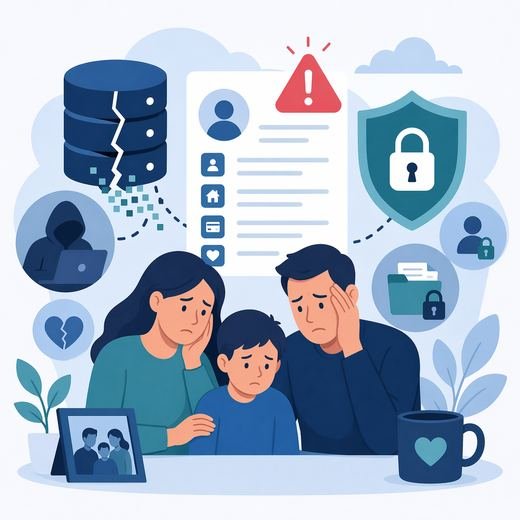
When people hear the phrase data breach, they often imagine a technical story: compromised servers, leaked records, exploited vulnerabilities, and forensic investigations. All of that matters, but it is only part of the picture. Every data breach is also a human event. Behind every exposed dataset are individuals whose trust, privacy, and sense of safety may be affected in ways that go far beyond technical damage.
For organizations, the first focus after a breach is often containment. Teams want to understand what happened, what systems were affected, and how far the incident spread. Those are necessary questions. But the people whose data was exposed are asking different ones. Was my information included? Could someone misuse it? Will this affect my finances, identity, or personal life? Can I still trust this company with my information again?
That difference in perspective matters. A breach may be described internally as limited, manageable, or still under investigation. For customers, employees, or patients, the emotional response can be immediate. Exposed email addresses, passwords, payment details, health records, or personal documents are not abstract assets. They are parts of a person’s life.
This is why communication after a breach matters so much. People do not expect perfection from every organization, but they do expect honesty, clarity, and respect. Delayed communication, vague language, or attempts to minimize the event can damage trust more deeply than the breach itself. When organizations speak clearly about what happened, what is known, what is still being investigated, and what affected individuals should do next, they begin to rebuild credibility.
The human side of breaches also includes internal impact. Employees may feel guilt, fear, or shame, especially if the incident began with a phishing message, a mistaken click, or a process failure. If organizations respond only with blame, they often encourage silence in the future. A healthier security culture treats incidents seriously without turning them into public humiliation. Accountability matters, but so does learning.
There is also a long-term dimension people often overlook. A breach can change how individuals behave online. They may spend months monitoring accounts, replacing cards, changing passwords, or worrying about identity fraud. Even when no direct financial loss occurs, the event can leave behind inconvenience and anxiety that lingers much longer than the technical investigation.
For this reason, organizations should think of breach response as part technical recovery and part relationship repair. Support services, practical guidance, identity protection resources, and responsive customer communication all signal that the organization understands the human cost of the event. They show that security is not only about systems, but about stewardship.
Cybersecurity professionals sometimes describe data in operational terms, but real people never experience it that way. To them, personal information is tied to dignity, autonomy, and trust. That is why good security practice cannot stop at preventing breaches alone. It must also include thoughtful care for the people affected when prevention fails.
A data breach may begin in a network or application, but its real impact often unfolds in human lives. The organizations that understand that truth are usually the ones best equipped to respond with responsibility, empathy, and credibility.