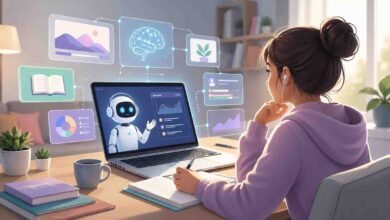
The Rise of Generative AI and What It Means for Content Creation

Generative AI has moved from curiosity to mainstream tool with remarkable speed. In a short time, it has changed how people think about writing, design, video, music, and digital production. A person can now enter a prompt and receive a draft article, an image concept, a product description, or a script in seconds. For content creators, this is both exciting and unsettling. The tools are powerful, but they also raise important questions about originality, value, and the role of human craft.
The appeal of generative AI is easy to understand. It reduces the blank-page problem. It can suggest ideas, create variations, summarize information, and accelerate routine production. A marketing team can test multiple ad angles quickly. A blogger can organize a rough structure faster. A designer can generate visual directions before refining them. When deadlines are tight, this kind of support can feel transformative.
For businesses, the productivity gain is especially attractive. Generative AI makes it possible to produce larger volumes of content with smaller teams. Customer emails, social captions, product copy, and first-draft visuals can be generated rapidly and adapted across channels. This is useful, particularly for repetitive work that once consumed hours of manual effort.
Yet content creation is not only a speed contest. When everyone has access to systems that can generate polished material instantly, sameness becomes a real risk. Generic writing and visually familiar design may flood digital spaces. In that environment, the strongest creators will not simply be the ones who use AI the fastest. They will be the ones who combine it with perspective, taste, and editorial discipline.
This shift may actually make human direction more important. Generative tools respond to prompts, but prompts themselves reflect judgment. Someone still has to define the message, understand the audience, check the facts, refine the tone, and decide what should be published. Raw output is not the same as effective communication. The best work still depends on selection, revision, and purpose.
There are also ethical issues to consider. Generative AI is trained on vast amounts of existing material, which raises questions about ownership, imitation, and consent. Artists and writers worry, with reason, about systems that borrow from human work without always giving clear recognition or compensation. Misinformation is another concern. Tools that create realistic text, audio, and visuals can be used creatively, but they can also be used to mislead.
For independent creators, the rise of generative AI creates a mixed landscape. On one hand, it lowers barriers and gives small teams access to powerful production help. On the other hand, it increases competition because more people can now publish more content more easily. The challenge becomes not simply creating something, but creating something worth noticing.
In the long term, content creation may become more layered. AI may handle drafts, variations, and production support, while human creators focus more on story, interpretation, emotional intelligence, and brand voice. That would not make human creators less relevant. It would make their role more focused on what audiences cannot easily get from automation alone.
Generative AI is changing content creation by making production faster and more flexible. But the deeper shift is cultural: it is forcing creators to think more clearly about what makes content meaningful in the first place. Tools can generate material. Humans still give it depth, direction, and identity. That is why the future of content creation will likely belong not to machines alone, but to people who know how to use them wisely.