Digital Shields Up: How to Protect Yourself in a World Full of Hackers
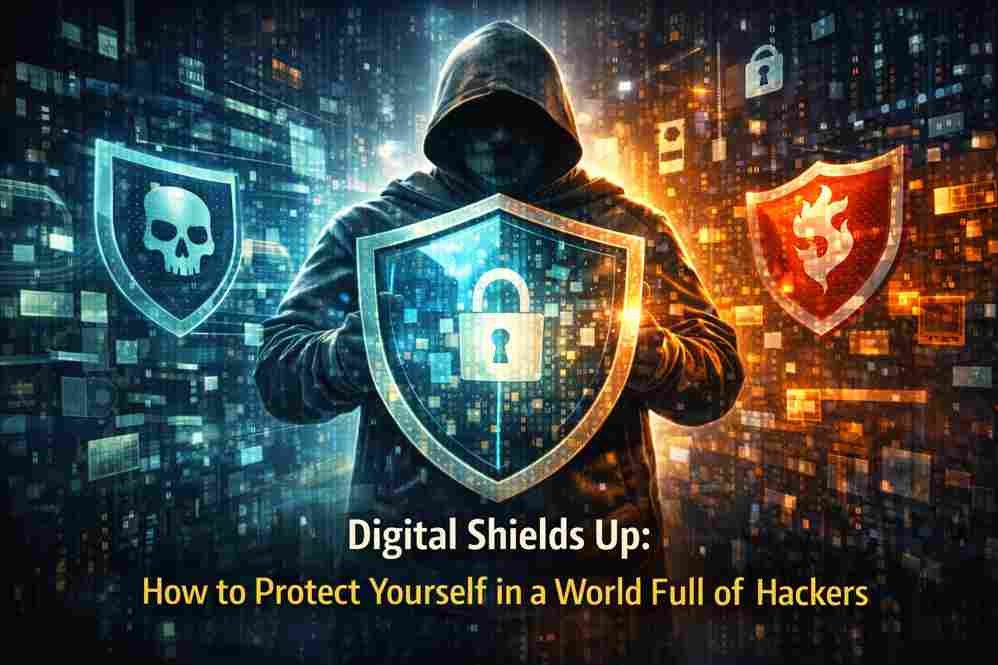
In today’s world, the internet is a part of our daily lives. We use it to shop, manage our money with apps, talk to people on social media, and store our memories in the cloud. While technology makes our lives easier, it also gives hackers a chance to cause trouble. They are always looking for ways to exploit weaknesses, like when we click on something we should not use passwords for or do not update our software. Protecting ourselves online is necessary.
Many people think that hackers only target companies or rich people, but that is not true. Regular people like you and me are often targets because we do not have security measures in place. If someone gets into our email account, they can see our photos, financial information, or private conversations. Hackers take advantage of our mistakes, not weaknesses in technology. Being aware of these things is like having a shield to protect ourselves.
One important thing we can do to protect ourselves is create unique passwords for our digital accounts. We should not use the password for multiple platforms. If one website gets hacked, the hackers can use our login information to get into our accounts. A strong password should have a mix of letters, numbers, and symbols. It should not be simple to guess. There are tools called password managers that can help us store our passwords securely.
Another powerful way to protect ourselves is by turning on two-factor authentication or 2FA for our accounts. This adds a layer of security that requires us to verify who we are, like by entering a code sent to our phone. This measure makes it much harder for someone who is not supposed to get into our accounts. Even if someone gets our password, they will still have to get past this barrier. Many big platforms offer this feature. Many people do not turn it on.
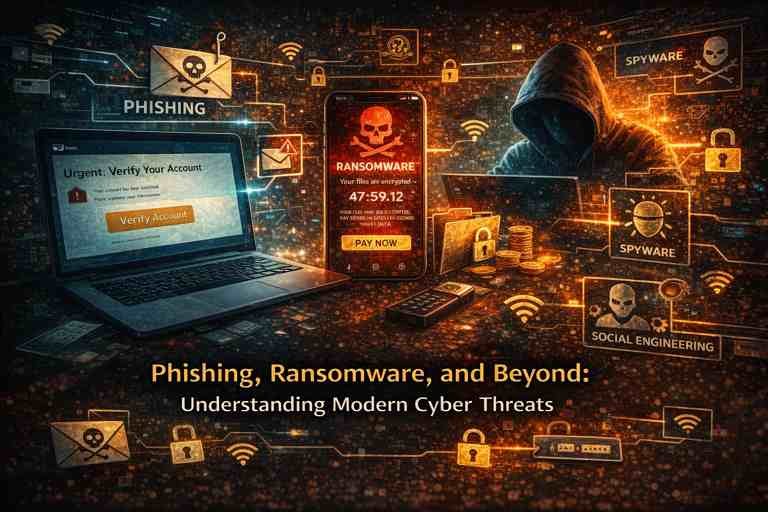
* Hackers use something called phishing attacks to trick people into doing something they should not do.
* These attacks often look like emails or messages that say we need to do something about it.
* They might look real. If we look closely, we can often tell they are fake.
* If we see links, strange email addresses, or messages that say we have to act fast, we should be careful.
* If we take a moment to check before we click, we can avoid a lot of problems.
Keeping our devices up to date is also an idea. When we update our software, it often includes fixes for weaknesses that hackers could use. If we do not update our devices, we are leaving the door open for attackers. We can also use antivirus software and firewalls to help protect ourselves by detecting activity.
Using Wi-Fi networks can be risky, especially if we use them to do things like online banking. These networks are often not very secure, which makes it easier for hackers to intercept our data. We can use something called a private network or VPN to help keep our internet traffic safe.
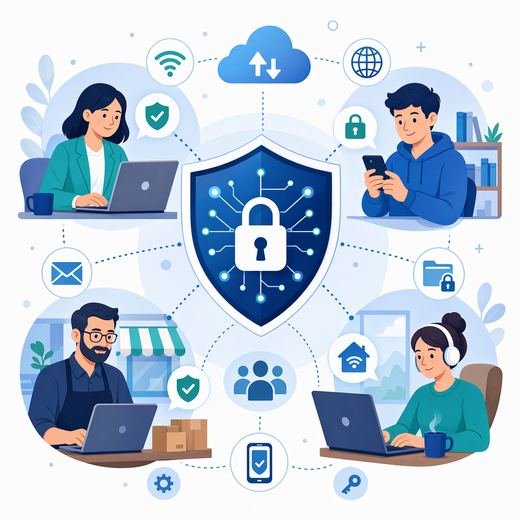
In the end, protecting us online is not about technology. It is about the habits we have every day. If we make a few small changes, we can reduce our risk of being hacked. Being careful about what we click on, protecting our information, and staying informed about threats can all help us stay safe online. Hackers are always coming up with ways to cause trouble, but the tools we can use to defend ourselves are getting better too.
Being prepared is the best way to stay safe in a world filled with digital threats. We do not need to be tech experts to protect ourselves. We just need to be aware of what’s going on and be consistent about taking steps to stay safe. If we do this, we can protect our data, our privacy, and our peace of mind.